
Hi, I’m Simeon, co-founder of EdMe AI. Let me tell you why we built EdMe.
It started in a hostel room
All three of us who founded EdMe studied together at the College of Engineering Trivandrum, a government engineering college in India. We were not exactly the students who attended every class.
So when exams came around, we had a problem. We had three or four days to study and somehow get enough marks to pass.
Eight or ten of us would go to the hostel room of a friend who was a topper. He knew the syllabus, the previous questions and what really mattered for the exam.
But he also knew each of us.
He knew what I was good at, what I was bad at and how much I could realistically cover. He would tell me what to study and what to leave. He would give another friend a different plan.
Take Fluid Mechanics. To me he would say: study modules 1, 3 and 4. To another friend: study 1, 2 and 5.
He knew the exam well: the previous questions, the trends and the syllabus. And he knew each of us: our strengths and our weaknesses. So he made each of us a learning path of our own, inside the time we had and the score we needed.
It worked surprisingly well. And it was very efficient.
Later, we built learning centres based on the same idea. More than 2,000 engineering students passed their exams through them.
We have carried that idea with us ever since.
Studying hard is not enough
Years later, we saw the same problem again, at a much bigger scale.
In India, competitive exams are much more than just exams. For millions of students, getting into a good college or securing a government job can change the future of an entire family. For many, it is one of the few ways to move up in life, whatever their social or economic background.
A student can spend one or two years preparing, study eight or ten hours every day, and still miss the cutoff by just two or three marks. So they try again. Another year of studying. More money spent. More pressure on the student and their family.
And often, they still don’t know exactly what they are doing wrong.
They don’t lack effort. They lack what we had in that hostel room: someone who knows the exam, knows them, and tells them what to study and what to leave.
That kind of guidance is expensive. A good UPSC coaching programme can cost ₹1.5 to 2 lakh, roughly $2,000. That is close to India’s average annual income per person. And even then, one teacher in a hall of students cannot know each one of them.
A great mentor can know 20 students deeply. How can the same quality of guidance reach a million?
The first version of EdMe was a friend. The second was a learning centre. AI allowed us to build the third version, for every student.
What EdMe does
EdMe is an AI-based learning app. It helps students understand where they are weak, what they need to improve, and what to study next. Someone who knows the student, knows the exam, understands the time available and helps them get the best possible score.
Our friend did three things. EdMe does the same.
 1. Knows the exam15+ years of PYQs, the syllabus and the trends.
 2. Knows you, guides youYour strong and weak concepts, and a plan made for you.
 3. You crack itPractice at your level, till you are ready.
Here is our friend, and what EdMe does in his place:
| What our friend did | What EdMe does |
|---|---|
| Knew the syllabus and the question pattern | Knows the exam: syllabus, PYQs and trends |
| Knew each of us | Knows each student’s strong and weak concepts |
| Picked the right modules for each of us | Makes a learning path for each student |
| Explained concepts simply | Visual, short explanations |
| Gave us the previous questions | PYQs first, then practice at your level |
| Corrected our mistakes | Shows where you went wrong, and why |
| Checked if we were ready | Tracks your progress, and how ready you are |
The shortest path to your target score
Every student works inside two limits, and between two points:
 1. Your timeA few weeks to the exam.
 2. Your target scoreThe score you need to clear the cutoff.
 3. From here to thereWhere you stand now, and where you want to reach.
When you know these, preparation becomes an optimisation problem. What is the shortest path from where you are to your target score, in the time you have?
This is what EdMe works out for you. Think of it as Google Maps for your preparation: it knows where you are, where you want to go, and the shortest route to get there.
- The high-weightage concepts you are weak in come first.
- The low-weightage ones can wait. Skip them for now.
- Each day, it tells you the next best concept to study.
- As you study, it measures your mastery again, and changes the path.
Our friend in the hostel did this in his head, for eight or ten of us. AI now allows us to do this personally for millions of students.
How it works, for one student
Let’s take a student preparing for India’s Civil Services Examination.
When they take a test on EdMe, we don’t just give them a score.
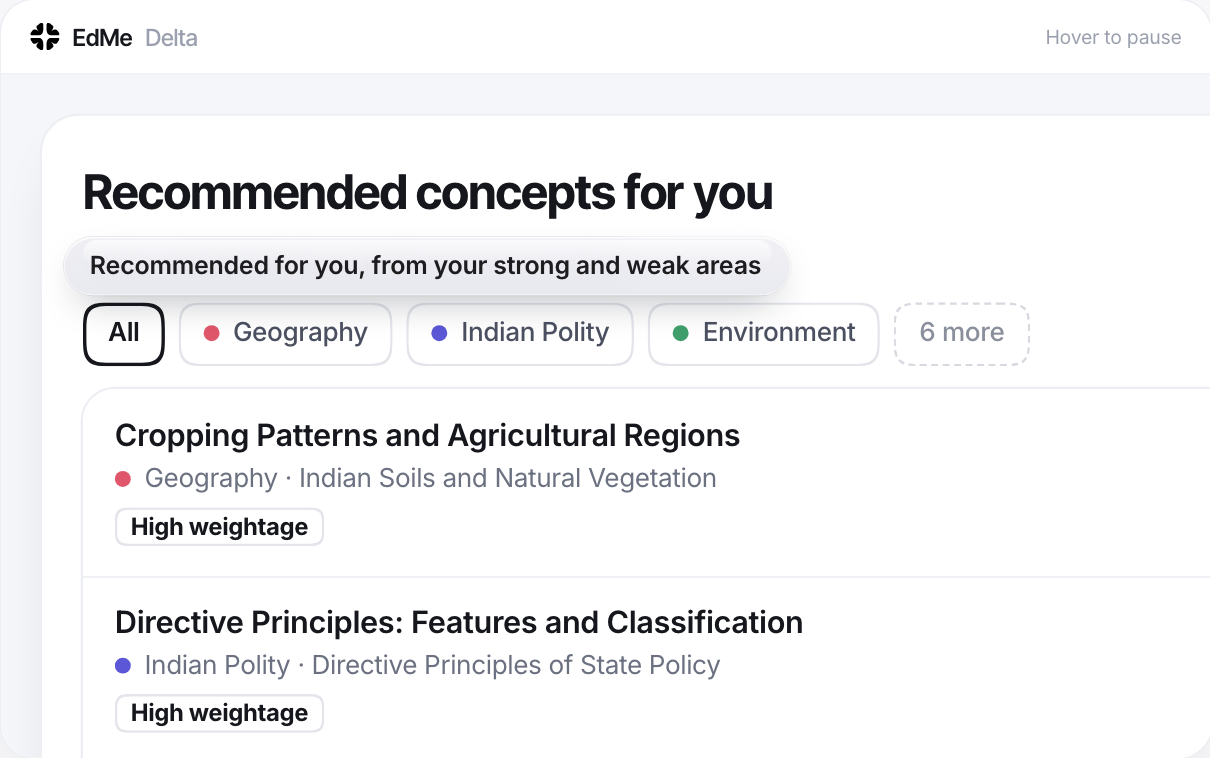
We show them exactly which concepts they understand, and where they are struggling. Then we recommend the concepts to study first: the high-weightage ones they are weak in.
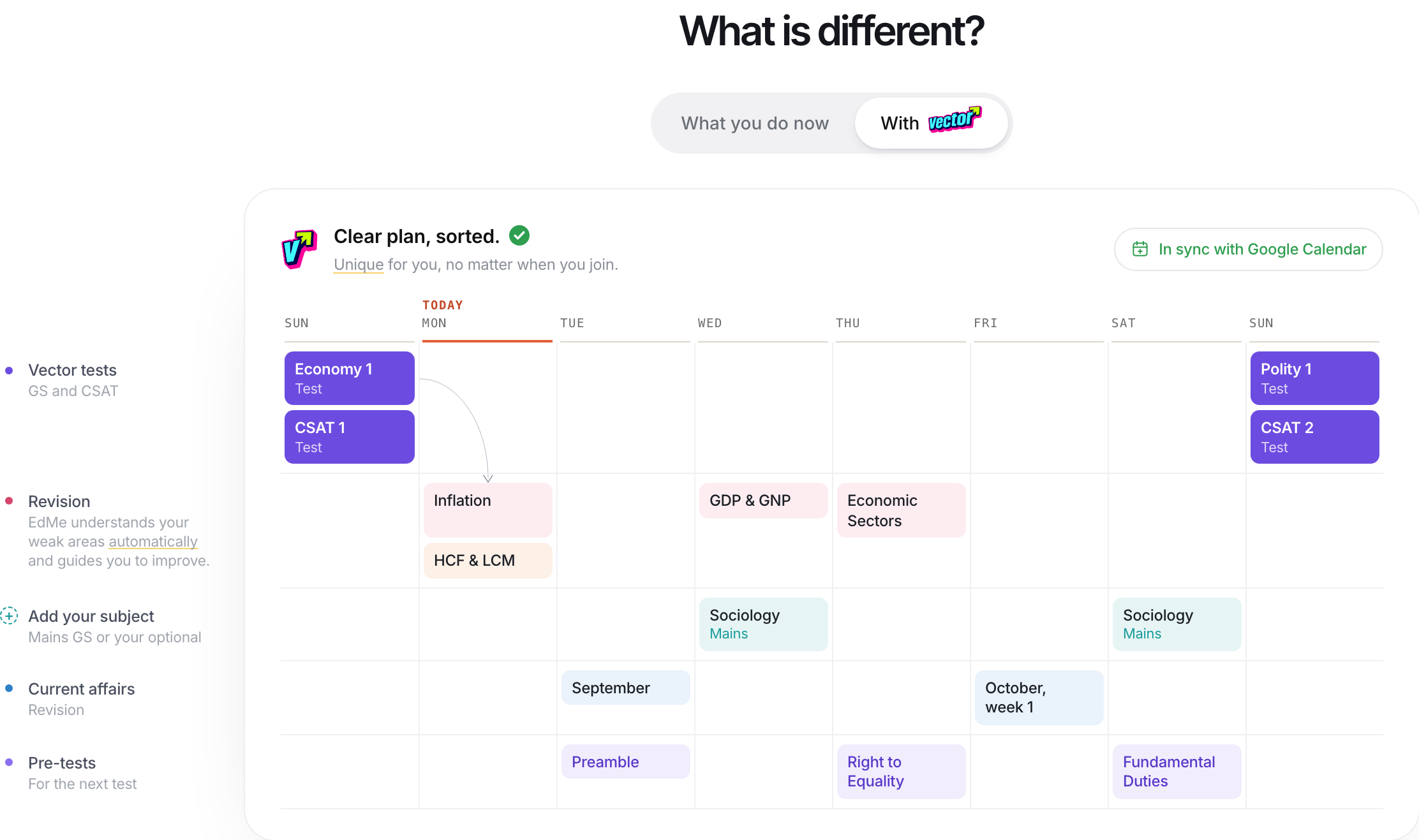
Based on their performance, EdMe makes a study plan just for them: weekly tests, revision of what they got wrong, current affairs, and pre-tests for the next test. Two students preparing for the same exam can have completely different plans, because their strengths and weaknesses are different.
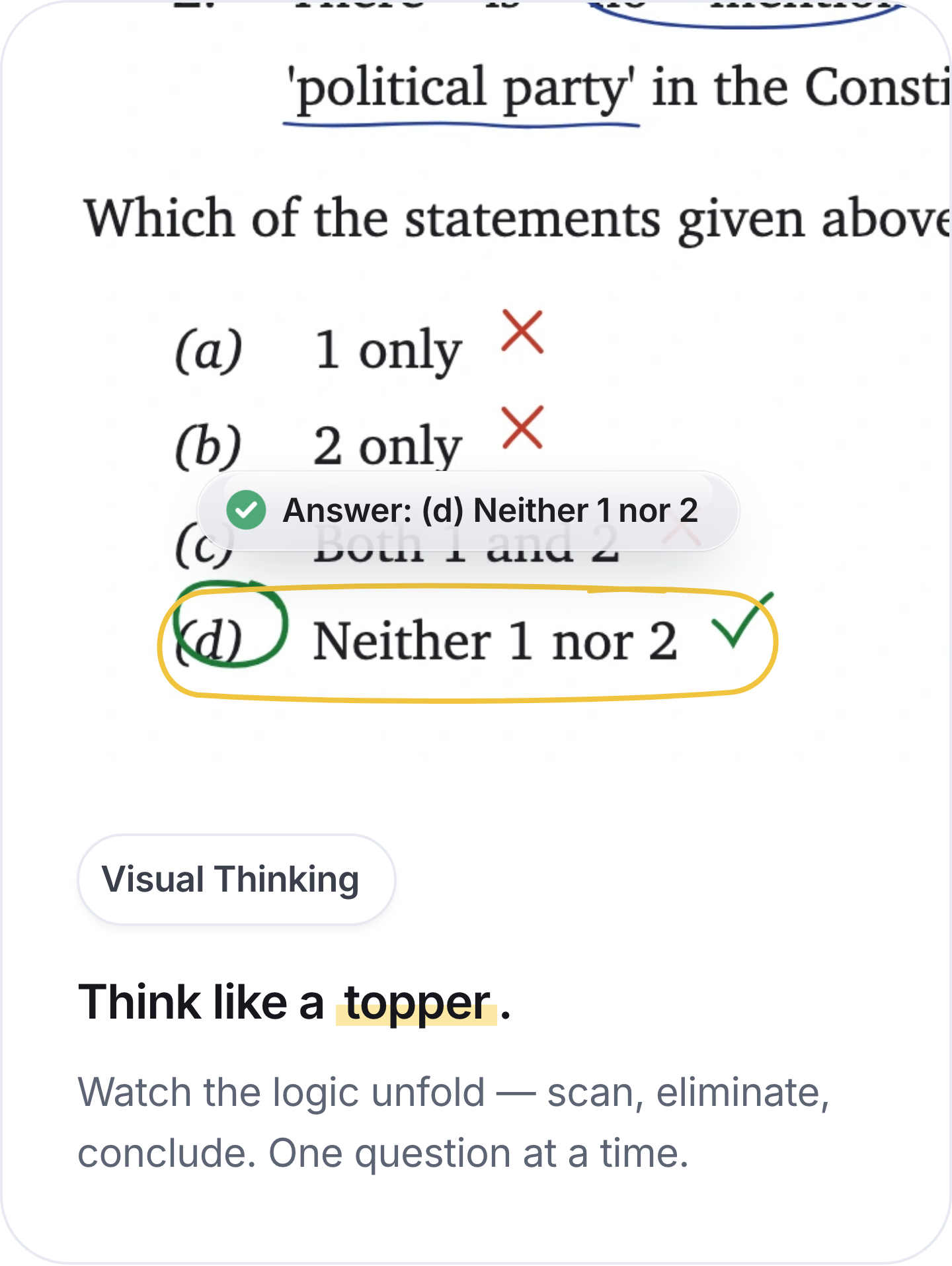
And when they get a question wrong, EdMe shows them how to think it through: how to approach it, eliminate the wrong options, and arrive at the right answer.
So every test tells them what to work on next.
Use it alongside your classes
EdMe does not replace your teachers.
Any regular student can learn with EdMe: in school, in college, or enrolled in a coaching institute or an academy. It works alongside their regular classes, as an add-on, and makes their learning more effective. They know what to study, what to practise and what to revise, so the hours they already put in count for more.
And it costs ₹8,000, around $90, a year. A small part of what one coaching programme costs.
Less content, more marks
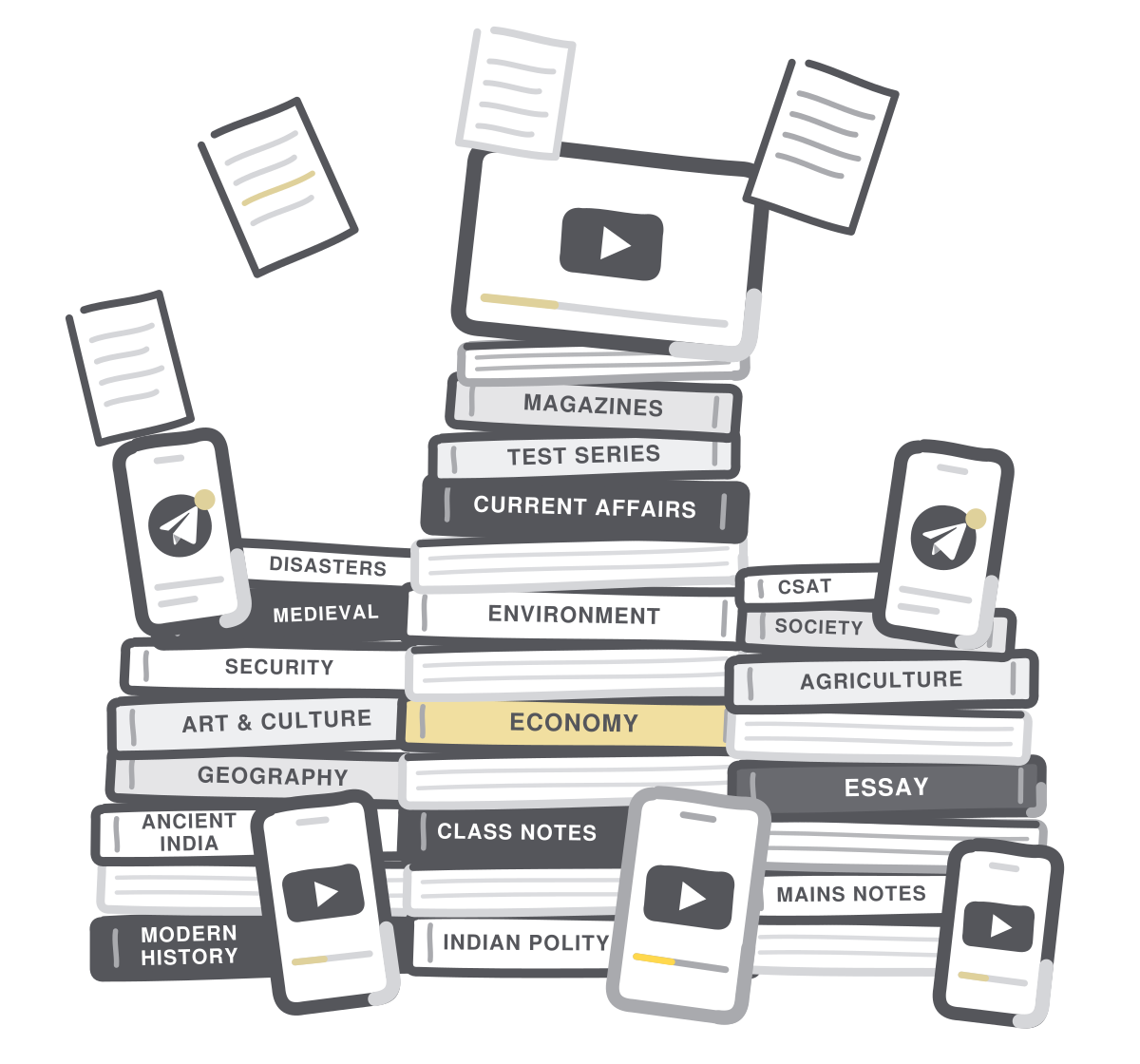
How students prepare now: content overload. Books, notes, magazines, test series, Telegram channels, YouTube videos. They study a lot. But no one tells them what to leave.
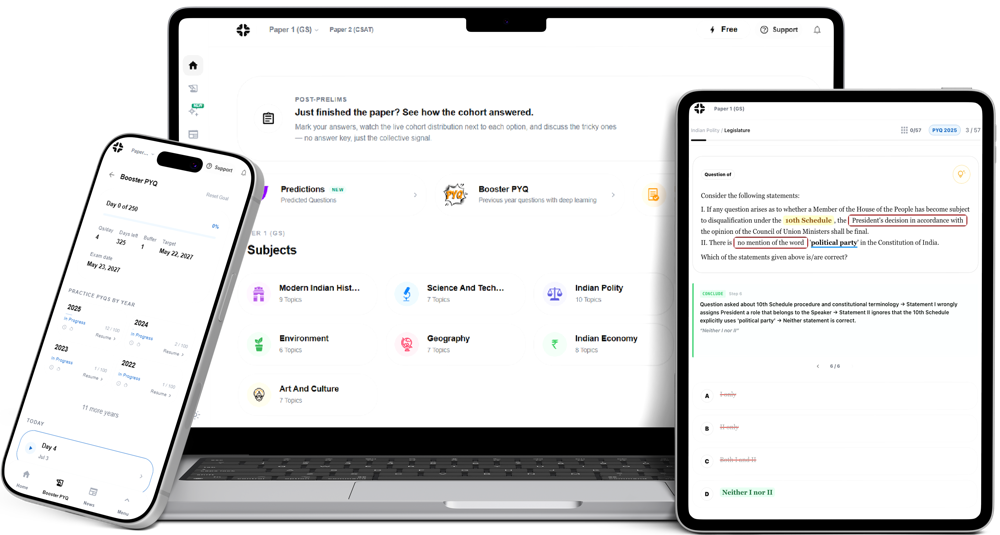
With EdMe: lighter, smarter preparation. Know what to study and what to leave. Only what matters for the exam.
Students already have enough lectures, notes and videos. What they don’t have is a system that guides them: what to study, what they forget, how to practise, and whether they are ready.
Where we are today
We started with India’s Civil Services Examination.
More than 5,500 students across India have used EdMe.
We have worked with the Kerala State Civil Service Academy, a government institution, and close to 500 students who used our platform qualified for the preliminary examination.
We are now expanding to engineering, medical, and other government recruitment exams.
Where we are going
But our ambition goes beyond competitive exams.
We want to bring the same personal guidance to students preparing for exams around the world. And, in time, to learning itself: from schools and universities to people learning new skills for work.
We are building a system that understands what each person knows, where they need help, and how they can improve.
Our goal is to make that kind of personal guidance affordable and accessible to anyone, anywhere. The friend we had in that hostel room, for every student.
Because good education shouldn’t depend on how much you can afford. - Simeon